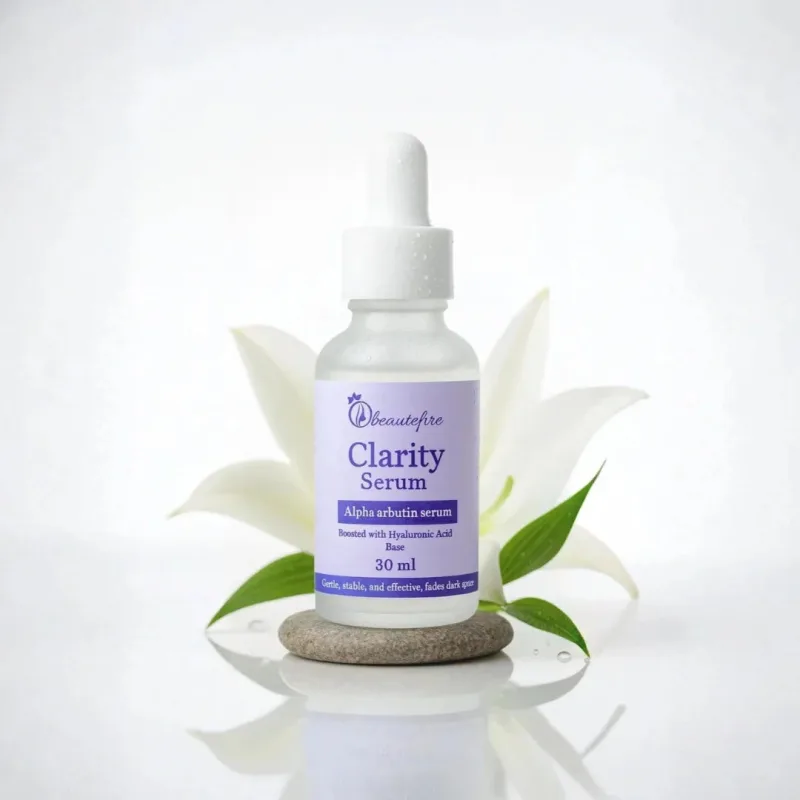
Quick answer: For dark spots, kitchen remedies such as lemon juice, haldi or besan have little reliable evidence, and some (especially lemon with sun exposure) can irritate skin or make marks worse. A targeted serum such as Alpha Arbutin or Vitamin C used with daily sunscreen is a more predictable, safer routine, and stubborn or widespread patches deserve a dermatologist’s opinion.
First, what is a “dark spot”?
Most dark spots are hyperpigmentation: patches where skin has made extra pigment (melanin) after sun exposure, inflammation such as pimples, or hormonal changes. Flat brown spots from the sun and the marks left behind by acne are the most common kinds, and they are the ones cosmetic serums are made for. Larger patches on the cheeks, forehead or upper lip, especially if they appeared suddenly or after pregnancy, can be melasma or something else, and those deserve a doctor’s diagnosis.
Home remedies: what we know
| Remedy | What people claim | Honest take |
|---|---|---|
| Lemon juice | Natural bleach for spots | Strong acidity can irritate and burn skin, and lemon on skin plus sunlight can cause a reaction that leaves darker marks (phytophotodermatitis). We would avoid it. |
| Haldi (turmeric) | Brightens and heals | Traditional; evidence for fading spots is limited, and it can temporarily stain skin yellow. Can cause allergy in some people. |
| Besan / yoghurt masks | Gentle brightening | Mild and usually harmless as a cleansing mask, but there is little proof they fade spots. |
| Aloe vera gel | Fades marks | Soothing and hydrating; not proven to fade dark spots. |
| Potato or tomato juice | Lightens skin | Little reliable evidence; may cause irritation. |
| Toothpaste on pimples | Dries pimples quickly | Irritating; can leave burns and darker marks. Not recommended. |
The pattern is that gentle remedies are mostly harmless but unproven, and strong ones risk irritation. Irritation is a problem for dark spots because inflamed skin often makes more pigment, which can make the spots darker.
What a targeted serum does differently
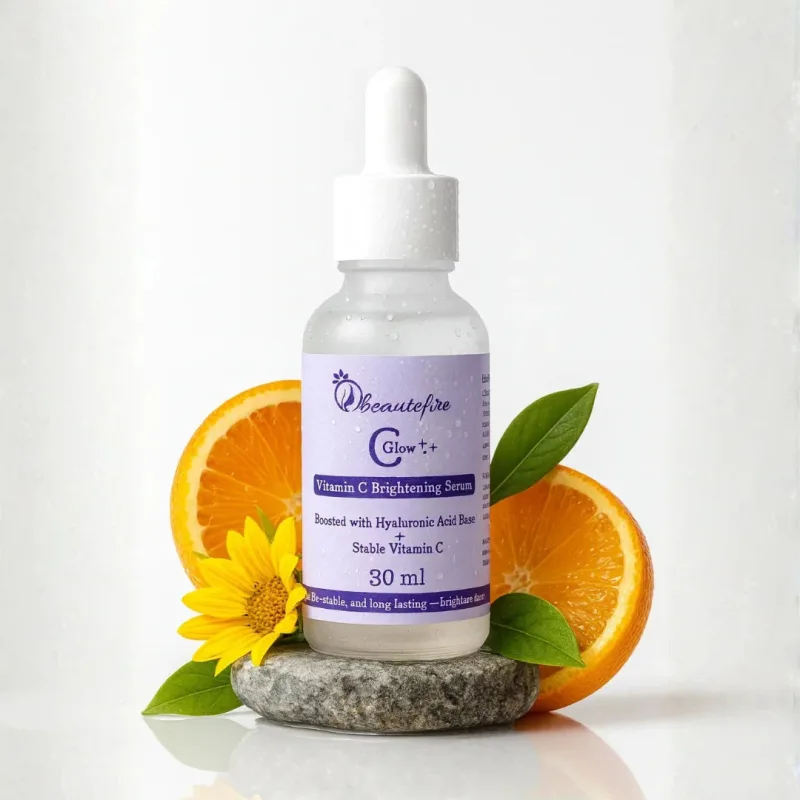
Cosmetic ingredients such as Alpha Arbutin and Vitamin C derivatives are used in standard concentrations and formulated to be applied to the face. Alpha Arbutin works on the enzyme (tyrosinase) the skin uses to make pigment, which is why it is aimed at flat brown spots and post-acne marks. Vitamin C is an antioxidant used for dullness and evenness of tone. Neither is a medical treatment, and neither works overnight; improvement is usually seen over weeks to months of regular use. That is why a clear routine matters more than any single ingredient.
Mistakes that make dark spots worse
- Mixing several remedies at once. Lemon plus sugar plus baking soda is an easy way to inflame skin, and inflamed skin often makes more pigment.
- Skipping the patch test. Natural does not mean harmless; turmeric, essential oils and fruit acids can all cause reactions.
- Going out in the sun right after an acidic remedy. This is when burns and darker marks are most likely.
- Scrubbing hard. Rubbing spots does not remove pigment; it irritates skin and can darken the area.
- Changing products every week. Skin needs weeks to show a change, so give one routine a fair trial before switching.
The part that matters most: sunscreen
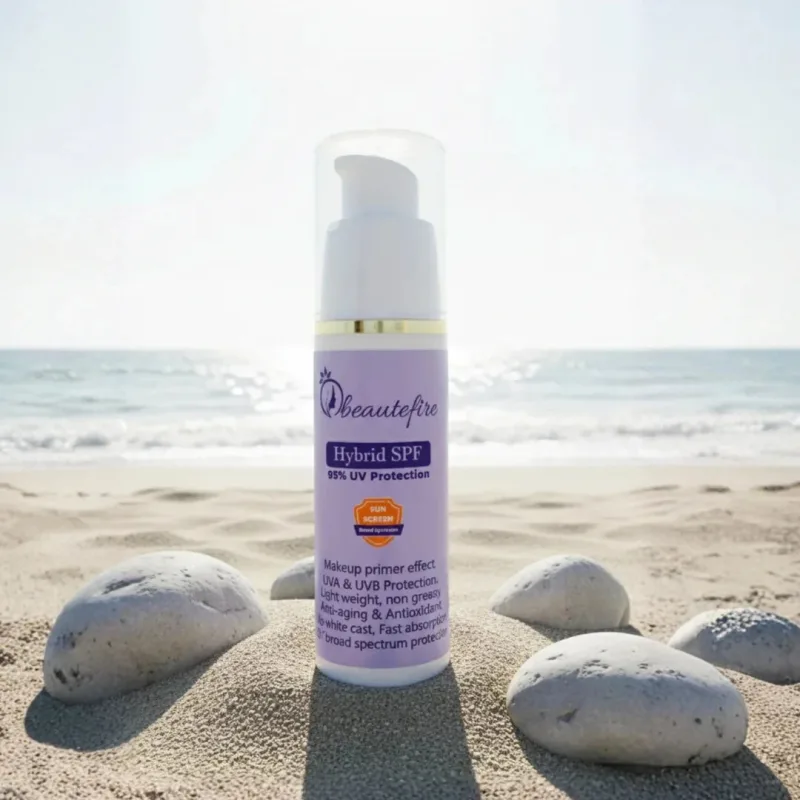
Ultraviolet light is the biggest trigger for new pigment. A brightening serum without daily sunscreen is like mopping the floor with the tap still running. Use a broad-spectrum sunscreen every morning, reapply outdoors, and add shade or a hat. See our SPF explainer for how to choose.
A simple, safe routine for flat dark spots
- Morning: gentle cleanser, Vitamin C serum, moisturiser, then sunscreen.
- Night: cleanse well, Alpha Arbutin serum, moisturiser.
- Hands off: do not pick pimples or scrub.
- Patience: judge the routine after about 6–8 weeks, not after a week.
When to see a dermatologist
- The patches are large, symmetrical, appeared suddenly or after pregnancy or starting medication (possible melasma).
- A spot is changing in shape, colour or size, or bleeds. This needs a doctor urgently.
- The marks are not improving after about three months of a sensible routine.
- Your skin burns, swells or reacts to products.
Dermatologists can prescribe treatments and procedures that cosmetic products cannot, and they decide which is safe for you. Cosmetic serums support a routine; they do not replace medical care.
Frequently asked questions
Do home remedies remove dark spots?
There is little reliable evidence that kitchen remedies fade dark spots, and some can irritate skin. A routine with a targeted serum and daily sunscreen is a more predictable option.
Is lemon juice safe for dark spots?
We would avoid it. Lemon juice is acidic and, combined with sunlight, can cause burns or darker marks.
Which is better for dark spots, serum or cream?
It depends on the product and your skin. Serums are lighter and easier to layer under sunscreen; creams may be richer. What matters is a well-formulated product, regular use and sunscreen.
How long does a dark spot serum take to work?
Many people see a change after about 4–6 weeks of daily use, and older marks can take several months. Patience and sunscreen are essential.
Can I use a serum for melasma?
Melasma needs a dermatologist’s diagnosis. A cosmetic serum can be part of a routine but is not a treatment for melasma.
Is Alpha Arbutin the same as bleaching?
No. Alpha Arbutin targets extra pigment in spots and does not change your natural skin colour.
Roman Urdu mein khulasa
Daagh dhabbon ke liye nimbu, haldi ya besan jaise gharelu totkon ka koi pukhta saboot nahin, aur nimbu dhoop ke saath jaldi ya gehre nishan bana sakta hai. Targeted serum (Alpha Arbutin raat ko, Vitamin C subah) aur roz ka sunblock zyada mehfooz aur predictable routine hai. Agar daagh bare, achanak aaye, badalte hue ya 3 mahine mein theek na hon to dermatologist se milen.
Related: Pimple ke daagh kitne din mein jate hain? · Melasma & pigmentation skincare in Pakistan’s humidity · Dark spots collection · Dark spots skincare in Karachi
This guide is general skincare information, not medical advice.